
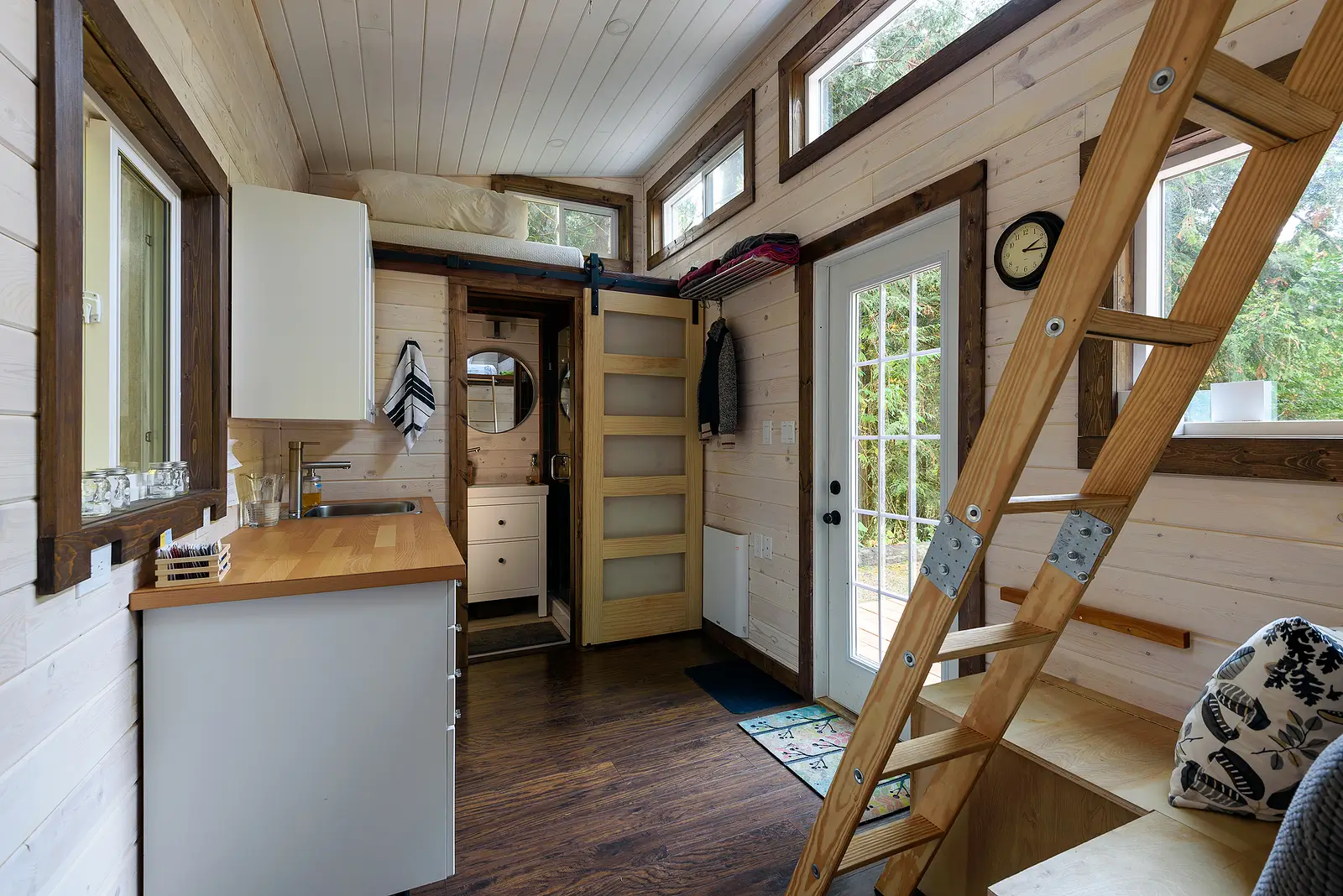
Richmond joins the tiny home boom amid a persistent housing crunch, shifting renter preferences, and a growing demand for flexible living space. Across the country, the tiny home movement has gained momentum in recent years, and now local landlords are asking: Are tiny homes the next rental trend in Richmond?
While tiny homes are not replacing traditional houses or large apartment communities, they are carving out a powerful niche in Richmond’s evolving rental market. From accessory dwelling units (ADUs) tucked behind a traditional home to stylish short-term rentals that generate income, tiny homes offer a unique opportunity for property owners looking to diversify their real estate investment strategy.
At Cobb & Co. Property Management, we help Richmond landlords discover emerging investment opportunities and maximize rental value. Below, we break down what you need to know before adding a tiny house to your portfolio.
Key Takeaways
Richmond joins the tiny home boom amid housing crunch, creating growing demand for smaller, affordable alternatives.
Tiny homes are best suited for ADUs and short-term rentals rather than replacing traditional properties.
Strict zoning laws and permitting requirements must be followed before construction or rental.
Lower maintenance costs and energy efficiency can improve ROI and financial freedom.
Success depends on careful planning, location strategy, and understanding your target market.
Understanding the Tiny Homes Trend in Richmond
The tiny home trend is fueled by several factors: affordability concerns, minimalist living, and the desire for environmentally friendly housing. Nationwide, the tiny home movement has seen impressive growth, with industry reports citing strong compound annual growth rate projections over the past decade.
Richmond is no exception.
As housing prices rise and inventory remains tight, renters are seeking affordable alternatives to traditional houses. Tiny homes offer a smaller home footprint (typically under 400 square feet) while still providing modern features and functional living space.
Why Tiny Homes Are Gaining Popularity
Tiny homes are gaining popularity for several reasons:
Lower average price compared to a traditional home
Reduced environmental impact
Simpler lifestyle with less clutter
Eco-friendly materials and energy efficiency
Flexibility for owners and tenants
For many renters, tiny home living represents financial freedom and a shift away from high housing costs. For investors, it represents a new real estate niche with strong growth potential.
Tiny Homes as Rental Properties in Richmond
As Richmond’s housing market evolves, landlords are exploring creative ways to meet growing demand, and tiny homes are quickly entering the conversation. Whether used as backyard ADUs, long-term rentals, or high-performing short-term rentals, these compact properties are emerging as a flexible, cost-effective addition to traditional rental portfolios in the city.
Investing in Tiny Houses as Rental Properties
For landlords considering investing in tiny houses as rental properties, it’s important to understand how they fit within the Richmond rental market.
Tiny homes can serve as:
Accessory Dwelling Units (ADUs) behind a primary residence
Backyard rentals for long-term tenants
Short-term rentals (Airbnb-style)
Vacation rentals for experience-driven stays
Because of their compact size, tiny homes cost significantly less to build and maintain than traditional properties. Lower construction costs, reduced utilities, and lower maintenance costs make them appealing as an investment opportunity.
However, tiny home investment requires careful planning.
Zoning Laws and Regulatory Requirements in Richmond
Before you buy land or begin construction, you must account for Richmond’s zoning laws and building codes.
Foundation Requirements
In the City of Richmond, tiny homes generally must be placed on permanent foundations. Tiny homes on wheels may not qualify as legal dwellings.
ADU Rules
Tiny homes are permitted as ADUs in certain residential districts if they are subordinate to a primary single-family dwelling. This means:
The primary home must remain the main residence.
The tiny house cannot exceed specific size limits.
It must comply with zoning board approval.
Size Constraints
Richmond requires a minimum of 120 square feet.
Statewide guidelines generally cap tiny homes at 400 square feet under the International Residential Code Appendix Q.
Utility Connections
All tiny homes must connect to:
Municipal water
Sewer systems
Electrical systems
Permitting Process
Landlords must secure:
Zoning approval
Building permits
Inspections before occupancy
Skipping this step can lead to fines or forced removal.
Short Term Rental Rules
If you plan to rent the property as a short-term rental, Richmond requires that:
The property is your primary residence (occupied 185+ days per year),
ORYou comply with specific STR licensing regulations.
Understanding these restrictions is essential to avoid costly compliance issues.
The Financial Case for Tiny Home Investment
With rising construction costs and shifting renter preferences, many Richmond landlords are rethinking what a smart investment looks like. Tiny homes present a compelling financial case—offering lower upfront costs, reduced maintenance expenses, and strong income potential in both long-term and short-term rental markets.
Tiny Homes Cost vs. Traditional Houses
Compared to traditional houses, tiny homes cost significantly less in:
Construction
Utilities
Property taxes (depending on classification)
This can lead to faster ROI and improved cash flow.
Higher ROI Potential
Because of their unique appeal, tiny homes often command premium nightly rates as short-term rentals. Many travelers prefer a memorable, design-forward stay over a standard apartment.
For long-term rentals, they provide an affordable alternative for single adults, digital nomads, and minimalist living enthusiasts.
Energy Efficiency and Lower Expenses
Smaller square feet means:
Reduced heating and cooling costs
Lower utility consumption
Environmentally friendly design options
Lower expenses help maximize net income.
Risks and Considerations
While tiny homes offer strong benefits, landlords must consider potential downsides.
Limited Financing Options
Financing a tiny home investment can be more complex than purchasing traditional properties. Some lenders classify them differently, which may require alternative funding solutions.
Zoning Volatility
Regulations can change. What is permitted today may face new restrictions tomorrow. Always verify city and county ordinances before committing.
Lower Resale Value
Tiny homes may not appreciate at the same rate as a traditional home. Buyers can be limited compared to the broader housing market.
Identifying Your Target Market
The success of a tiny home rental depends on understanding your target market.
Tiny homes are most appealing to:
Minimalists
Digital nomads
Single adults
Eco-conscious renters
Travelers seeking unique vacation rentals
They are less suitable for families needing multiple bedrooms or extensive living space.
Location also plays a critical role. A tiny house near downtown Richmond, VCU, or high-demand neighborhoods may perform significantly better than one in a less accessible area.
Maximizing Success With Tiny Home Rentals
To maximize long-term success:
Conduct detailed market research.
Verify zoning and permitting requirements.
Analyze rental income projections.
Choose durable, high-quality construction.
Partner with a professional property management company.
Tiny homes offer flexibility, but professional oversight ensures compliance, proper tenant screening, maintenance coordination, and optimized rental pricing.
At Cobb & Co. Property Management, we help landlords navigate Richmond’s real estate market with confidence.
Frequently Asked Questions
1. Are tiny homes legal to rent in Richmond, VA?
Yes, but they must comply with zoning laws, foundation requirements, size limits, and utility connections. If used as short-term rentals, additional residency or licensing rules apply.
2. How much do tiny homes cost compared to traditional properties?
Tiny homes cost significantly less to build and maintain than traditional houses. However, land acquisition, utility hookups, and permitting expenses must be factored into the total investment.
3. Are tiny homes a good long-term investment opportunity?
They can be a strong investment opportunity when used strategically as ADUs or short-term rentals. Success depends on location, market demand, and regulatory compliance.
Should Richmond Landlords Invest in Tiny Homes?
So, tiny homes represent a growing niche—not a full replacement for traditional properties, but a compelling addition to a diversified portfolio.
Richmond joins the tiny home boom amid housing challenges, shifting renter preferences, and demand for affordable housing solutions. Tiny homes offer:
Lower maintenance costs
Unique rental appeal
Energy efficiency
Potential for strong returns
However, they also require careful research into zoning laws, financing, and long-term market positioning.
If you’re considering a tiny home investment in Richmond, having the right strategy and management team is critical.
Cobb & Co. Property Management specializes in helping landlords maximize income, maintain compliance, and build lasting value in the Richmond rental market.
Ready to explore whether a tiny house rental fits your portfolio? Contact us today to connect with our team and discover how to turn Richmond’s growing demand into real opportunity.